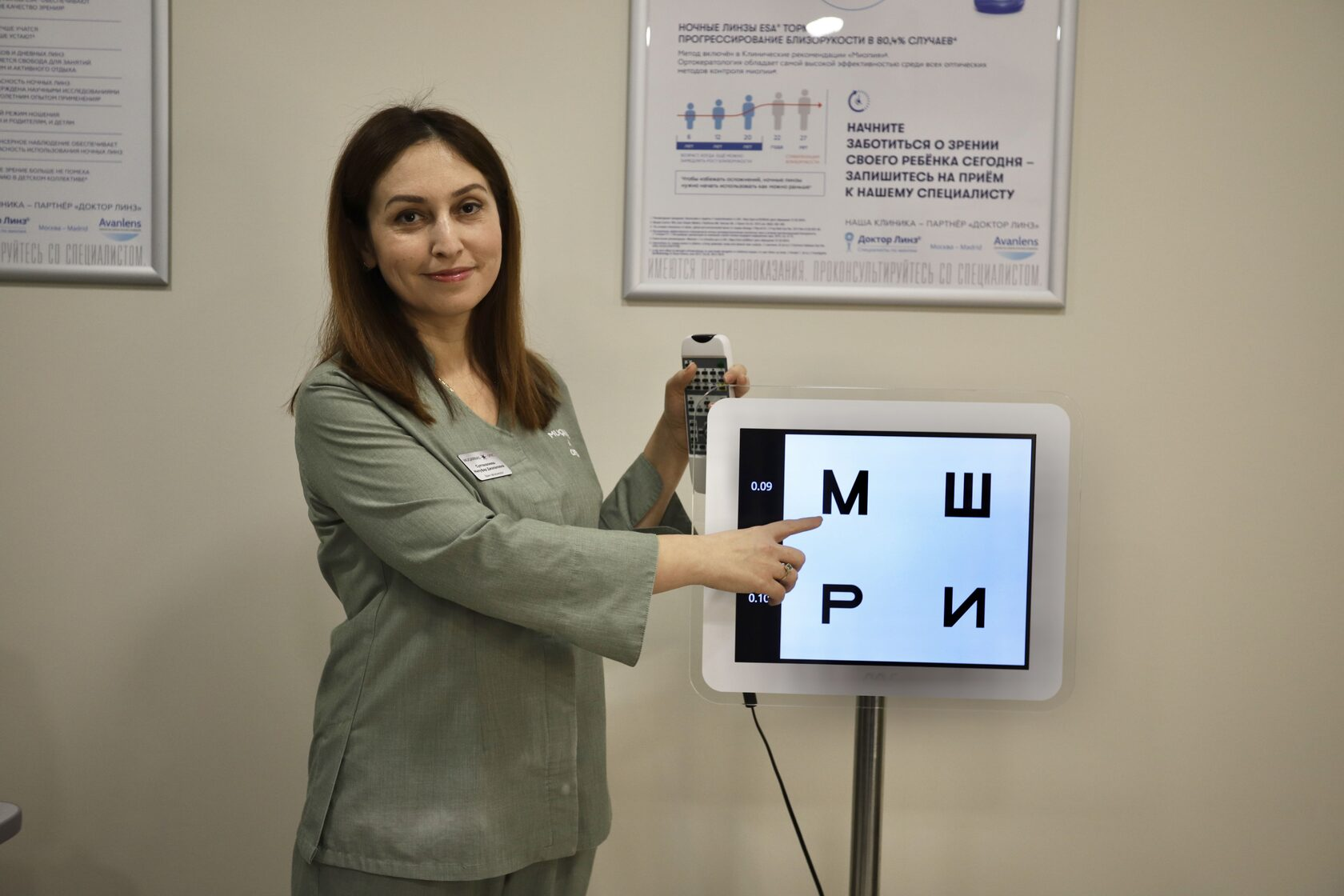



The age of 7 to 10 years is a critical period for the development of a child's visual system. It is during this time that the strain on the eyes significantly increases: school education begins, and the time spent working with textbooks, notebooks, and electronic devices increases. Many parents do not notice the first signs of vision deterioration in children, attributing changes in behavior to fatigue or inattentiveness. However, timely consultation with an ophthalmologist can prevent the development of serious vision problems.
Main signs of vision problems
Attentive parents can notice changes in a child's behavior that may indicate declining vision. A school-aged child may start complaining more often of headaches, especially after doing homework or reading. They may experience rapid fatigue when working with texts, try to bring books or notebooks closer to their face, and squint when trying to see something in the distance.
A characteristic sign is a change in posture at the table. Children with visual impairments involuntarily tilt their heads at a specific angle, trying to find a position where the image becomes clearer. When watching television, such a child tries to sit closer to the screen, even if parents repeatedly ask them to move away.
Vision problems can also affect academic performance. Teachers might notice a student struggling to read text from the board, asking for instructions to be repeated, or making errors when copying. Concentration decreases, and irritability may set in. A child may tire quickly during lessons, rub their eyes, blink frequently, or cover one eye while reading.
When is an unscheduled ophthalmologist consultation necessary?
An urgent consultation with a specialist is required if the following symptoms appear:
- Persistent or intermittent eye redness not related to a cold
- Complaints of blurred vision, spots, or floaters in front of the eyes
- Photophobia or discomfort with bright light
- Tearing without apparent cause
- Noticeable strabismus or eye deviation
- Frequent squinting when trying to focus eyesight
- Complaints of double vision
- The child squints or closes one eye to improve their vision.
Even if symptoms appear irregularly, you shouldn't postpone a visit to the doctor. A child's visual system has high plasticity, and many disorders can be effectively corrected in their early stages.
Risk factors for vision in primary school students
Modern children spend a significant amount of time in front of gadget screens. Prolonged close-up work without breaks leads to accommodative spasm, a condition where the eye muscles are under constant tension. Insufficient lighting at the workstation exacerbates the strain on the visual system.
Heredity plays an important role in the development of vision problems. If one or both parents wear glasses, the probability of vision impairments in a child significantly increases. Premature babies and babies with low birth weight are also at risk for developing ophthalmic diseases.
A lack of physical activity and outdoor walks negatively impacts eye health. Studies show that children who spend less time outdoors in natural light are more likely to suffer from myopia. An unbalanced diet with a deficiency in vitamins A, C, E, and minerals can also contribute to vision deterioration.
Preventive examinations: when and why
Even if the child has no complaints, they should have routine check-ups with an ophthalmologist. The first school year is especially important for monitoring the visual system, as visual demands sharply increase during this period. Doctors recommend taking a first-grader to a specialist at the beginning and end of the school year.
In the future, if there are no abnormalities, an annual preventive examination is sufficient. However, children at high risk—with a hereditary predisposition, existing refractive errors, or previous eye diseases—may require more frequent monitoring. The ophthalmologist will determine the frequency of visits individually.
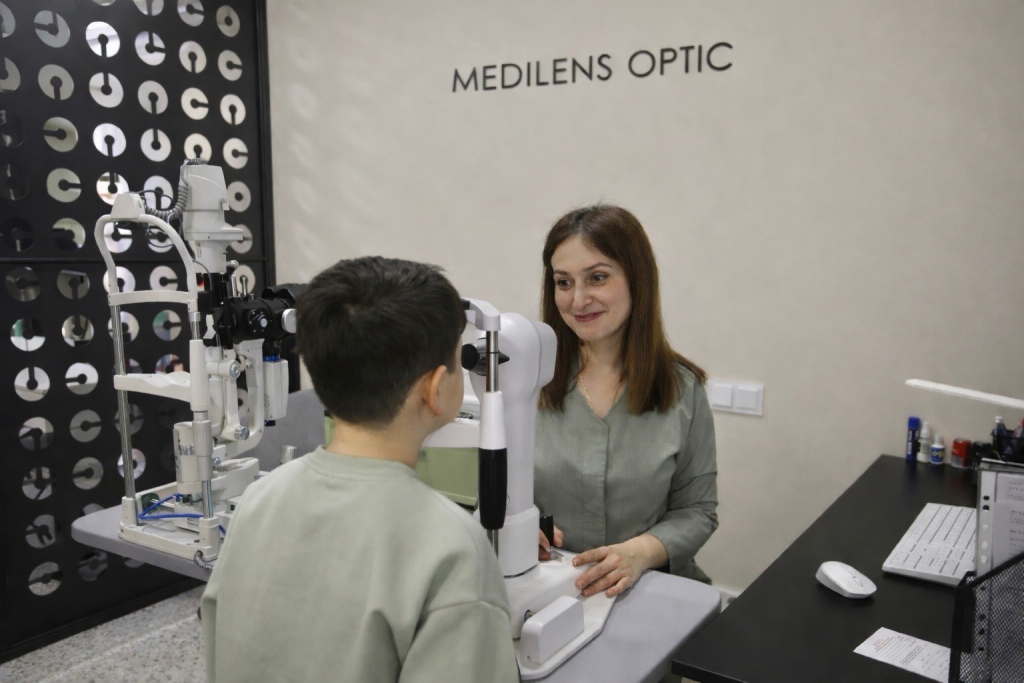
A preventive examination includes checking visual acuity, refraction examination, fundus examination, and other necessary procedures. Modern equipment allows for the detection of early changes that have not yet manifested symptomatically but already require specialist attention.
What should parents do?
Observation is a parent's main tool in taking care of a child's vision. Regularly talk to your children about how they are feeling, pay attention to changes in their behavior and academic performance. Create comfortable conditions for doing homework: ensure adequate lighting at the workspace, proper posture at the desk, and regular breaks during studies.
Limit gadget usage time, ensure a safe distance from the screen. Encourage active outdoor games and sports. Include foods beneficial for vision in your diet: carrots, blueberries, fish, nuts, and greens.
If worrying signs appear, do not self-diagnose or self-medicate. Schedule a free vision screening for your child at the clinic.